13-Mar-2026 | Luisa Welch
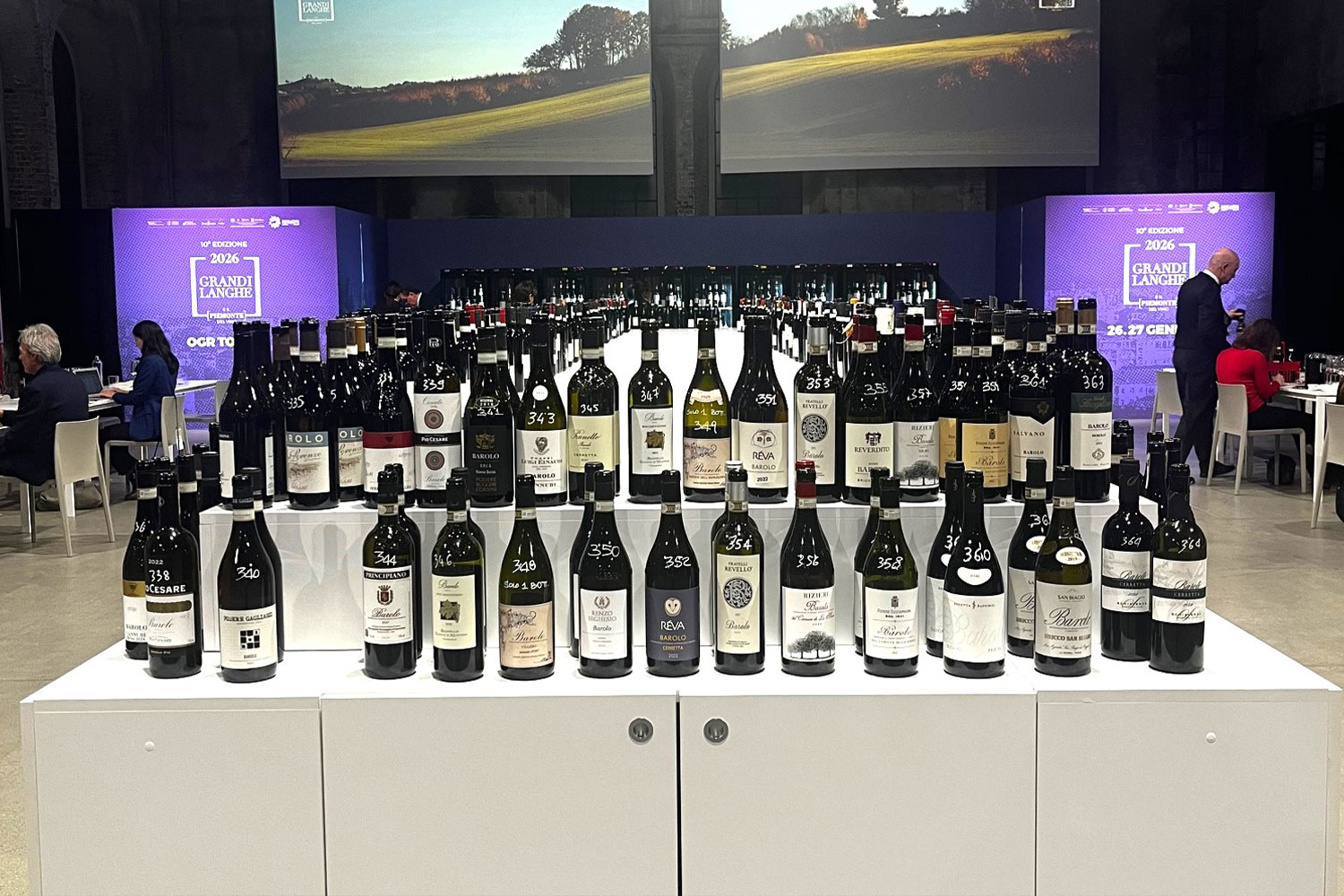
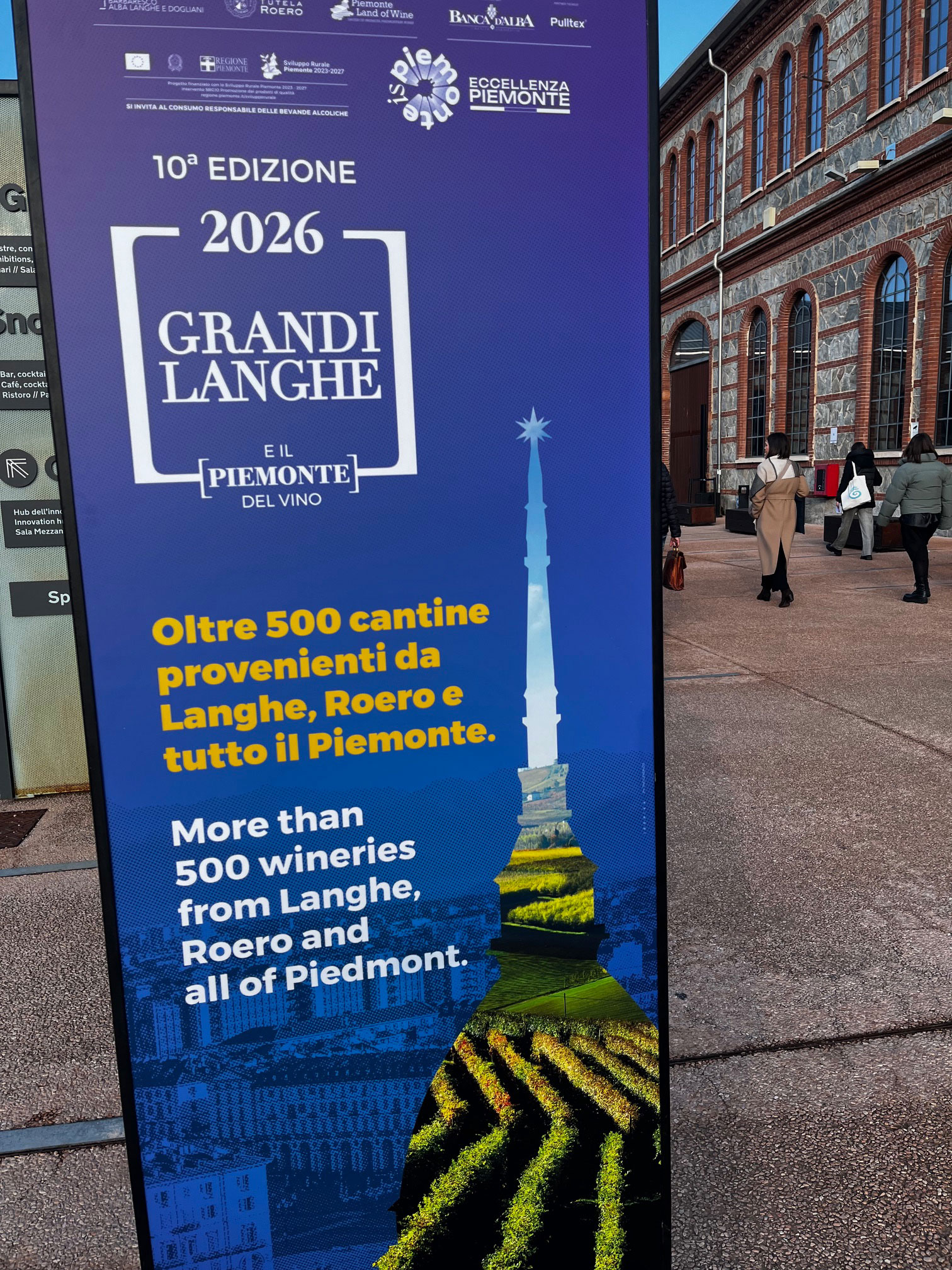
Arguably the most expected Italian wine event, Grandi Langhe and Piemonte Wine celebrated its 10th anniversary edition in January 2026. This is the only show dedicated to the great wines of Piemonte, such as the iconic Barolo, internationally known as ‘the king of wines and the wine of kings’, and Barbaresco, the other prestigious red wine from the region.
Organised by the Consorzio for the Protection of Barolo, Barbaresco, Alba Langhe and Dogliani, the event saw more than 550 producers exhibiting their wines, and over 6,500 wine professionals visiting over two days.
The wines of the Langhe took centre stage, showcasing exceptional quality and reaffirming their position for their international success. The deeply embedded winemaking culture of the Piedmontese producers, and the excellence of their wines came to the fore at every stand.
With such a plethora of Barolo and Barbaresco producers, one could get a thorough understanding of how Piemonte’s prime red grape, Nebbiolo, expresses itself in these two iconic appellations with its the many stylistic differences.
OUTSTANDING BAROLO
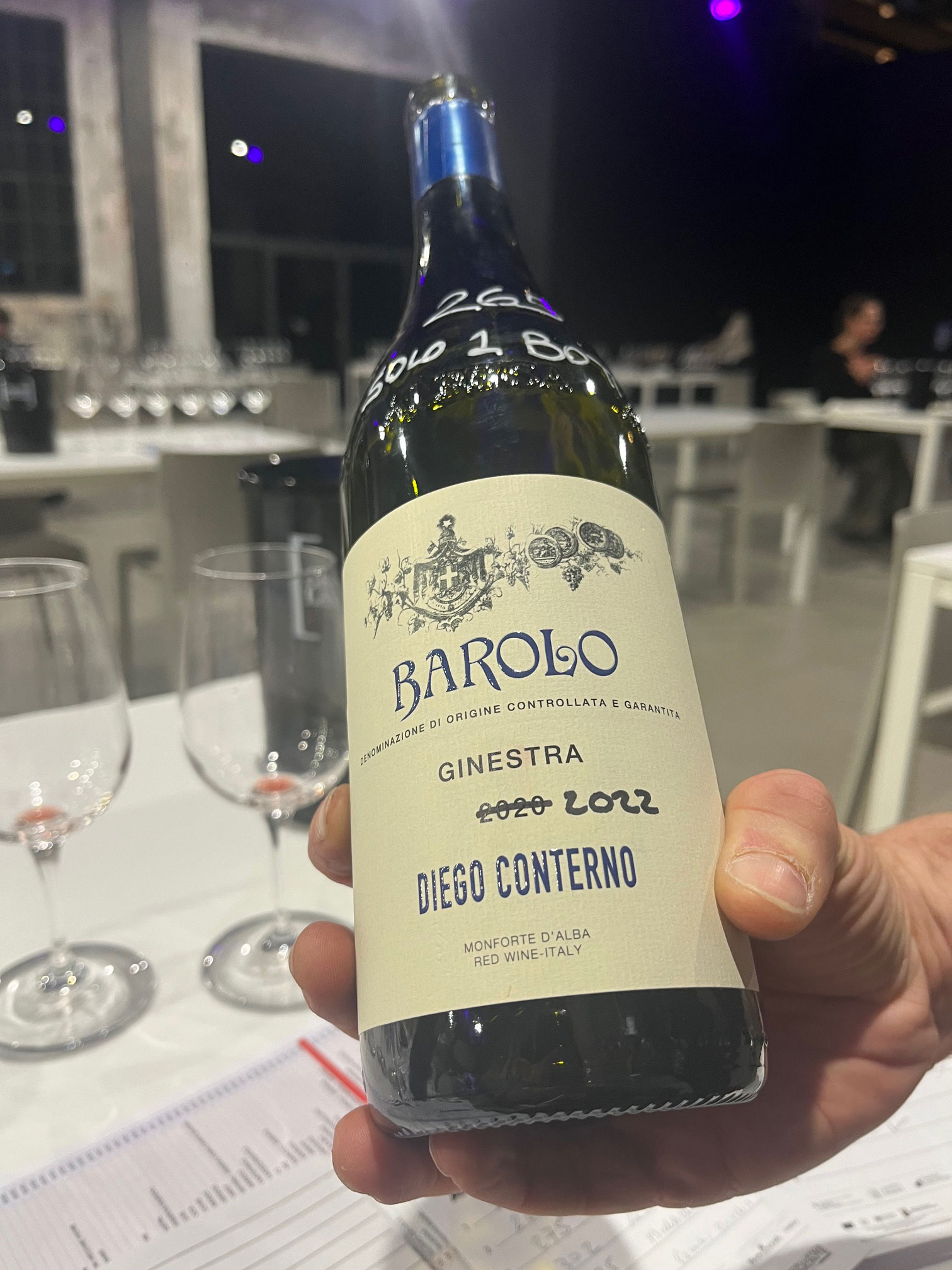
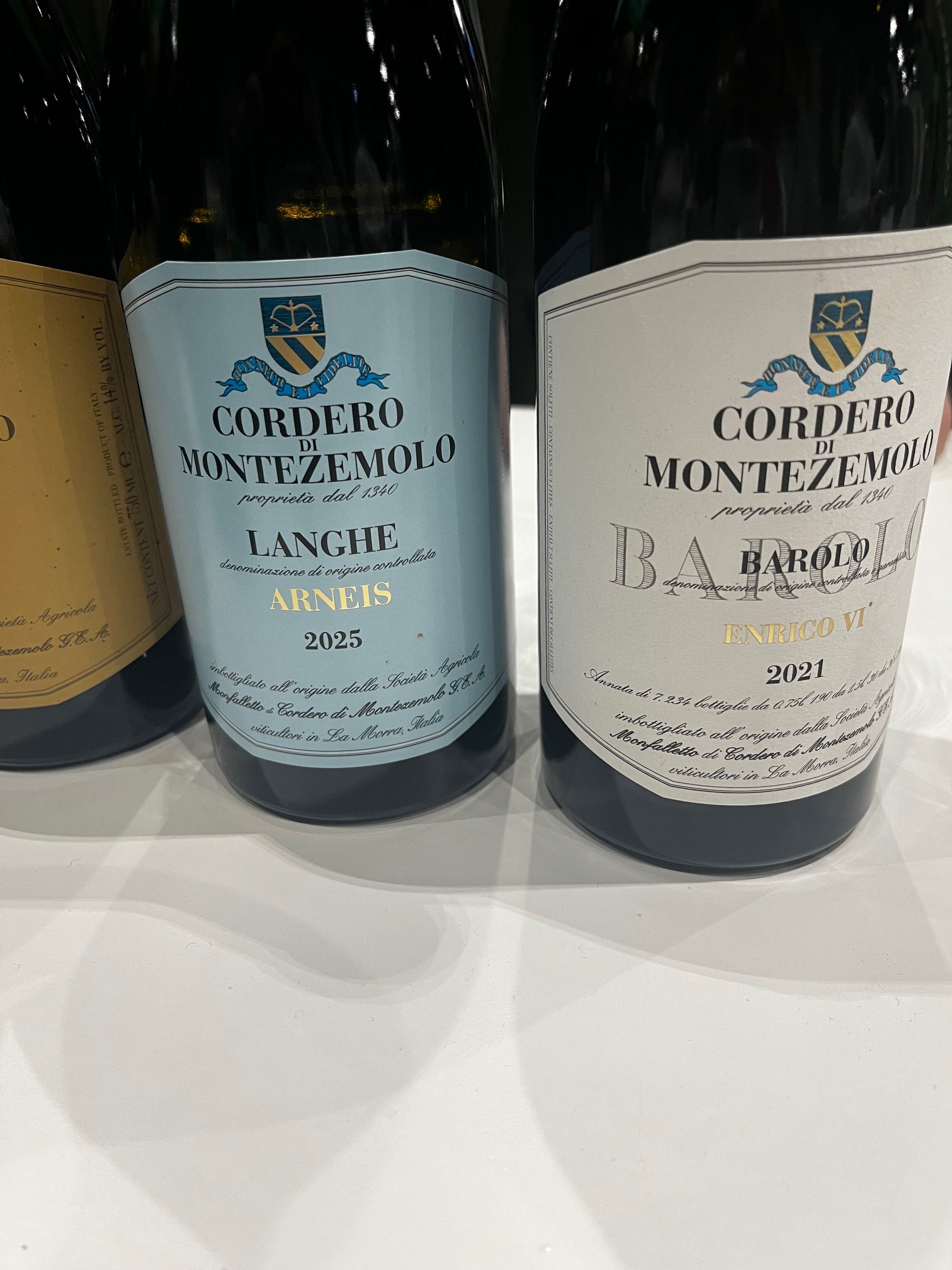
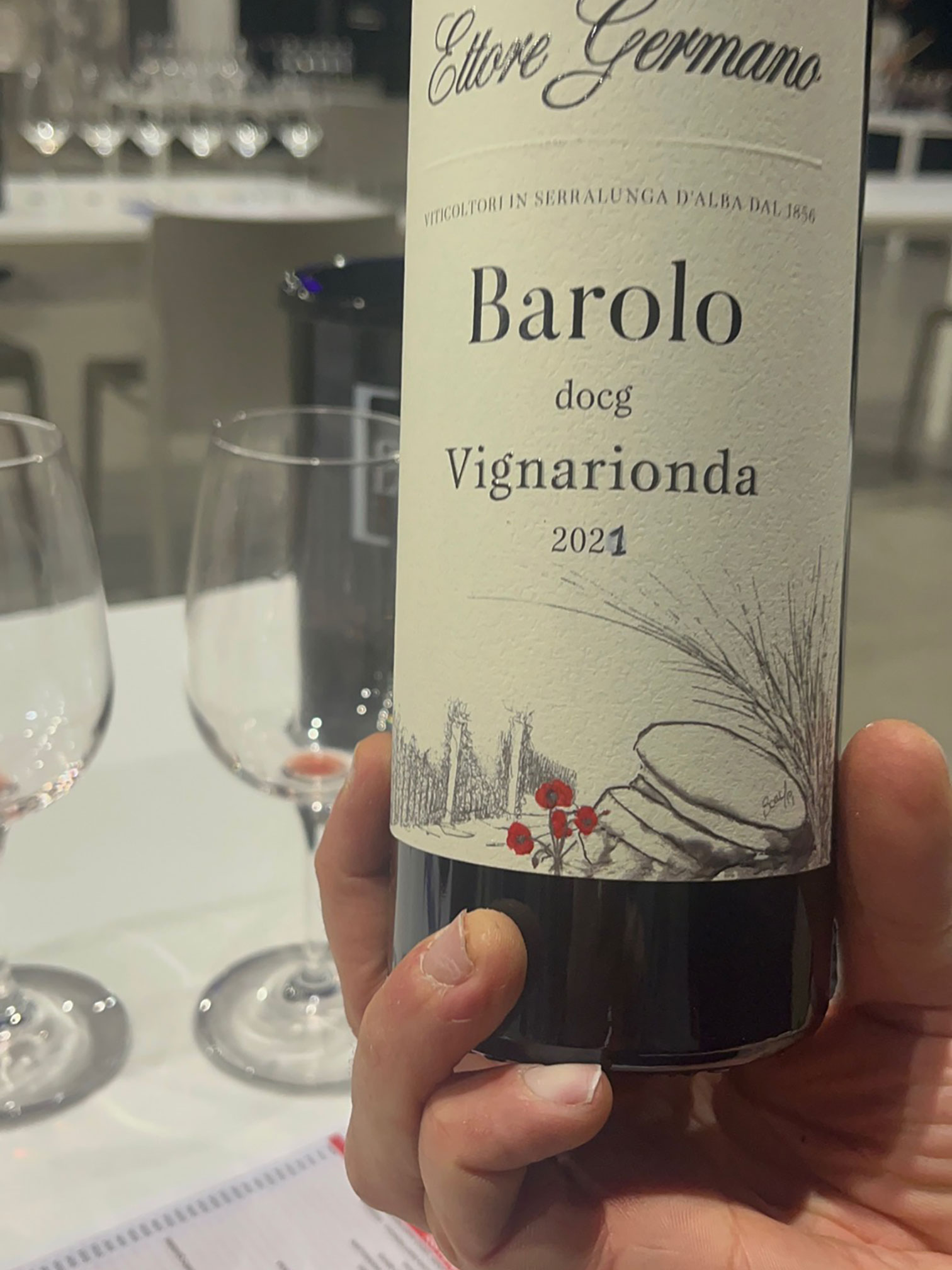
All the big names were there, such as Anselma, Bersano, Castello di Verduno, Marchesi di Barolo, Diego Conterno, Michele Chiarlo, not forgetting Ettore Germano, Luigi Oddero, Manzoni, Pio Cesare, Reva… too many to mention. It was good to find Cordero di Montezemolo, which brought back fond memories of a visit to the winery many years ago. Their Barolo Monfalletto 2022 (not yet released at the time I tasted it), was a blend of two single vineyards – a bold decision due to a very hot vintage, and one that paid off. And Le Strette, which I more readily associate with its delicious Nascetta white, but which also produces an equally delicious Barolo Bergera Pezzole Gran Cru.
PRESTIGIOUS BARBARESCO
The ‘elegant sibling’ to Barolo, Barbaresco abounded at the event, with producers such as Abrigo, Giacosa, Castello di Neive, Demarie to name a few. The Barbaresco I tasted were typically characterized by high tannin and acidity, bright garnet and intense aromas of roses, cherries and truffle. Some were soft and velvety. Barbaresco 2023 was distinguished by the complexity of the vintage, influenced by the irregular climate and peaks of intense heat. The vintage is very typical of the terroir.
I revisited Villa Guelpa from Lessona’s Alto Piemonte, whose winery is located on an imploded volcano, showing their Nebbiolo DOC – namely Lessona, Sizzano, Boca and Colli Novaresi Nebbiolo.
THE SUPRISES OF THE EVENT
ALTA LANGA
Although not a secret for the Italians, many international visitors were surprised to learn that Piemonte produces a sparkling wine made exactly like champagne, eg: in the traditional method. Alta Langa is a small appellation with a very long history, going back to the mid 19th century, using traditional champagne grapes such as Chardonnay and Pinot Noir, and enjoying the DOCG status. There were 40 producers showing their Alta Langa wines, in all their glorious expressions: Zero Dosage, Cuvée, Blanc de Noirs, Rosé, Riserva and more. Worth mentioning are the wines from Fratelli Abrigo, Orsolani, Crosio, Dogliotti, Il Falchetto to name a few.
TIMORASSO
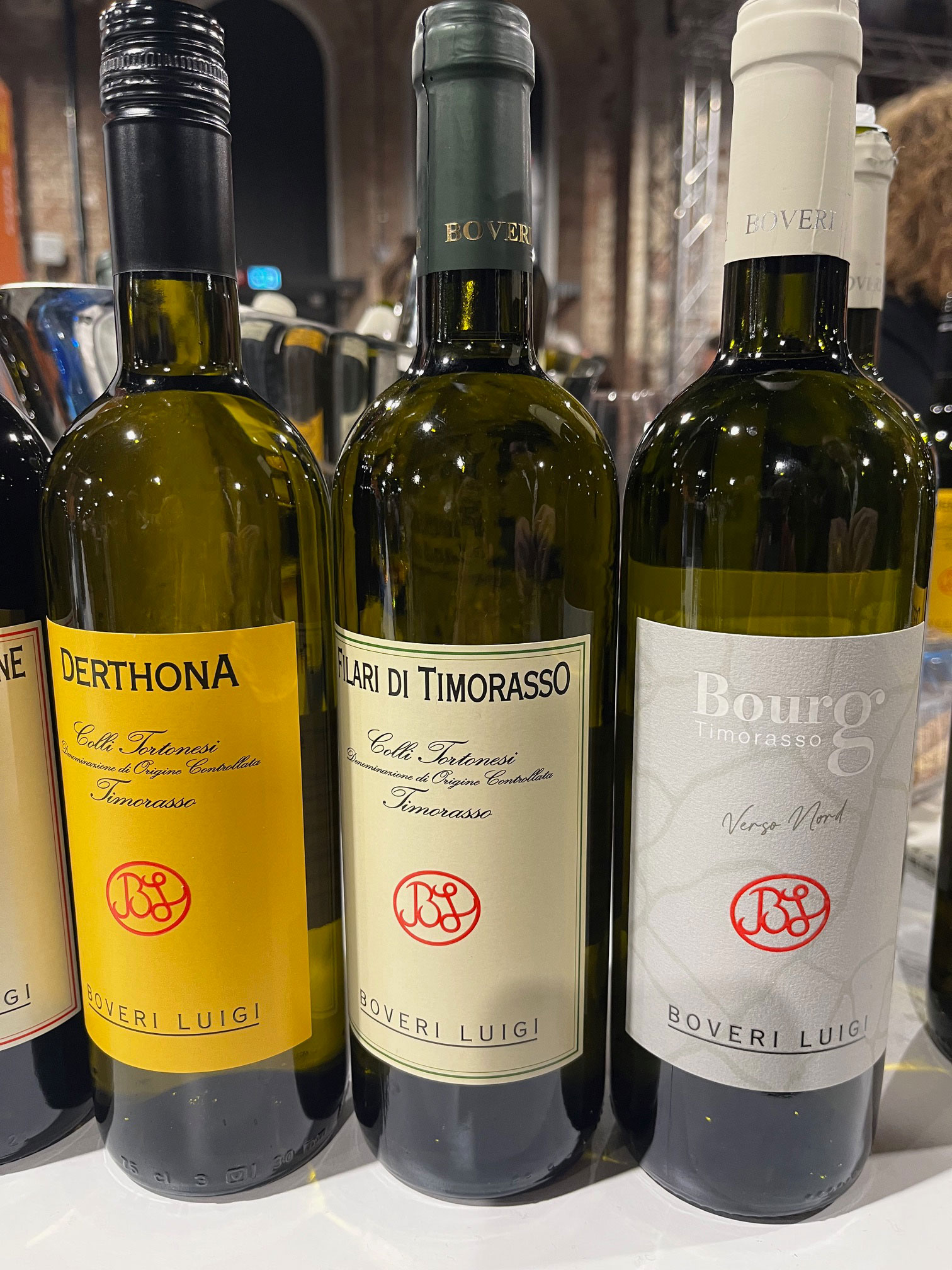
This was perhaps the biggest surprise of the event and a wine which definitely captured the attention of the many international visitors to Grandi Langhe. The grape’s reputation for producing a gastronomic wine with strong ageing potential is well known. Like other white grapes of Piemonte this was almost lost, and replanted in the mid 1980’s. Awareness of the grape is slowly but surely spreading. Under the DOC of Colli Tortonesi DOC, some 25 producers showed their Timorasso. I met Luigi Boveri, whose Timorasso I already knew via the Wine Society in the UK, and I gleaned a lot more information on their plans to expand the knowledge of their wines. I heard similar stories from other producers such as Cantine Volpi, Tenuta della Cascinassa and La Spinetta. All concurred that it’s the wine’s ageing ability that sets it apart, and suggested buying bottles of the same vintage, drinking some young and laying some down.
Vigneti Repetto, a winery based in the Terre Derthona area – the ancient name of today’s Tortona, makes some leading-edge Timorasso without racking, so as to reduce sulphites to the minimum without risk to quality.
I wouldn’t be surprised if the fresh, fruity and mineral qualities of Timorasso will soon take the UK market by storm.
MOSCATO D’ASTI DOCG
This lightly sparkling, lower alcohol, gently sweet wine, with crowd-pleasing charm, full of peach and floral notes, is an Italian favourite which is still underestimated in the UK, as it’s often considered a ‘party wine’. But at Grandi Langhe it shone its light with 20 producers proudly showing what the wine has to offer.
Boeri, Braida, Cerruti, La Morandina, all showed some exceptional Moscato. Cadgal, headed by Alessandro Varagnolo, showed its Vigna Vecchia, produced in limited quantities from 70 years old vines. The wine is bottled then buried in sand for at least five years in a unique environment of total darkness and rest. The result is surprising richness, finesse and longevity. Cadgal is rewriting Moscato D’Asti in a big way, with the wine moving towards the style of the great sweet European wines.
PIWI IN PIEMONTE?
Yes – I couldn’t believe it either. Piwi – short for a very long German word which defines fungus-resistant grape varieties – are grapes created by crossing Vitis Vinifera with American or Asian vine species. These innovative grapes are highly resistant to vine diseases such as powdery and downy mildew, reducing fungicide sprays by up to 80%. Thus, they offer a sustainable, eco-friendly solution for winemakers.
Meeting Pieroguido Ceste, president of PIWI Piemonte and head of Cantina Ceste, was a real experience. His winery was the first one to invest in the region’s PIWI viticulture, and over a decade, he has worked on vineyard trials, different winemaking approaches and market integration. And a string of medals gained at international competitions is making other Italian producers take notice. He stresses that PIWI grapes do not aim to replace Nebbiolo or Barbera. They are planted to help protect Piedmont’s wine culture under new climate and environmental conditions.
His Fleurtai, Sauvignon Ryots, Cabernet Volos and Sorytos grape varieties produce a range of wines, from fresh sparkling, some made by the ancestral methods, dry whites, some with skin contact, and robust reds. These awards-winning wines are worth another look.
In conclusion, Grande Langhe exceeded all my expectations in terms of the high quality of producers showing some truly extraordinary wines, innovation and organisation.